
TL;DR: Insulated drylining improves thermal performance in homes and commercial buildings across Slough. We use Celotex, Kingspan, and Rockwool materials for efficient wall insulation. Part L Building Regulations compliant with full certification.
What Is Insulated Drylining?
Insulated drylining is a dual-purpose construction system that provides both a smooth internal wall finish and effective thermal insulation in a single installation. Unlike traditional wet plastering, insulated drylining creates a thermal barrier between the internal space and the external wall, significantly reducing heat loss and improving comfort.
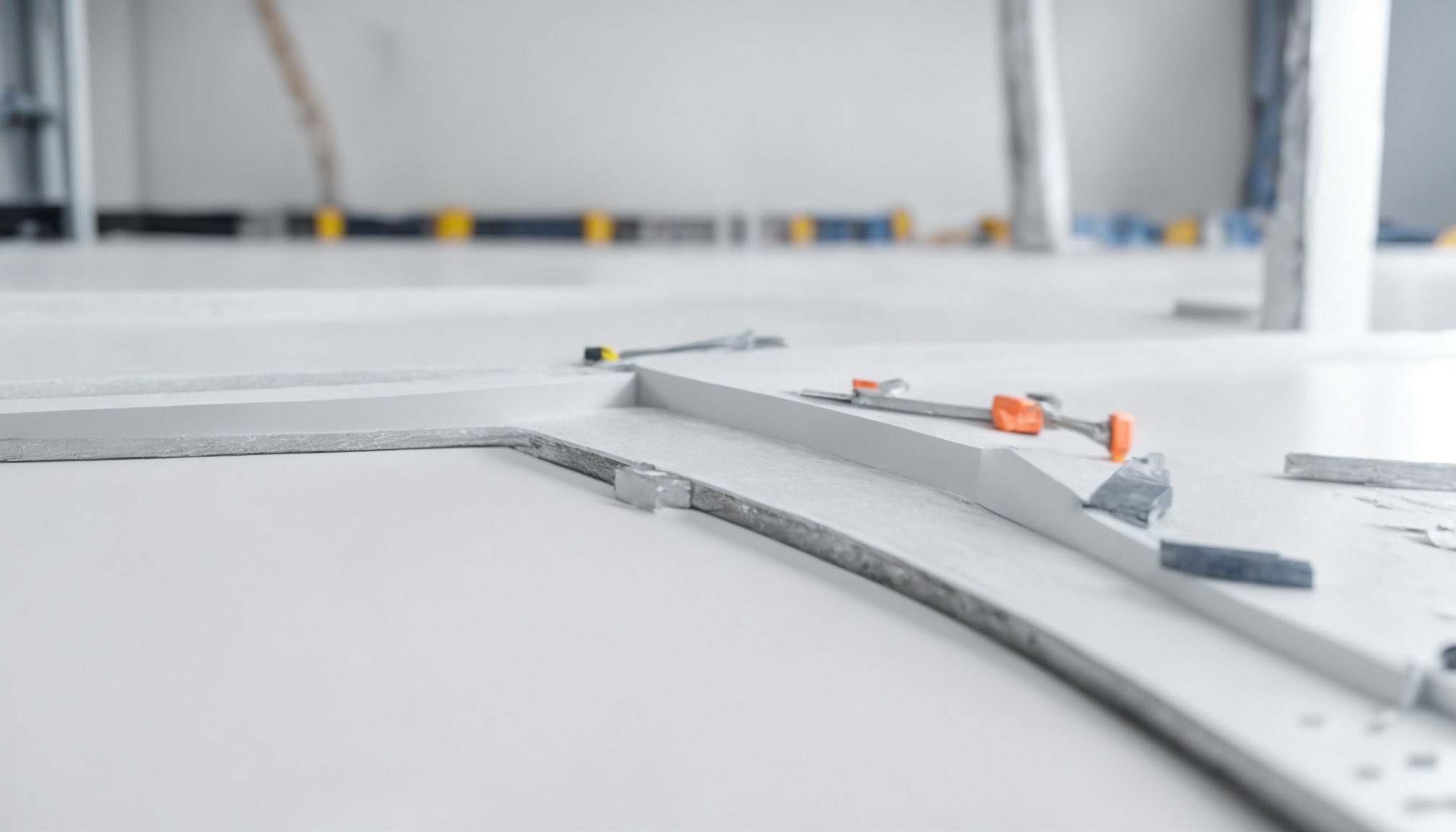
There are two main approaches to insulated drylining. The first uses insulated plasterboard, where a rigid insulation layer is bonded directly to the back of the plasterboard. The second involves installing insulation within a timber or metal stud frame before fixing plasterboard to the frame. Both methods are effective, and the best choice depends on your property type, wall construction, and performance requirements.
Our Insulated Drylining Services
- Insulated plasterboard installation (Celotex, Kingspan)
- Framed cavity insulated drylining with mineral wool
- Single-wall thermal upgrades for solid wall properties
- Thermal bridging detail design and installation
- Vapour control layer and moisture management
- Part L Building Regulations compliance documentation
- Insulated drylining for new builds and refurbishments
- Combined thermal and acoustic insulation systems
Why Choose Insulated Drylining?
- Significantly warmer rooms: Insulated drylining raises the internal surface temperature of cold walls, reducing condensation and making rooms feel more comfortable during colder months.
- Lower heating costs: By reducing heat loss through external walls, insulated drylining can lower your heating bills and reduce your carbon footprint.
- Part L compliance: Our insulated drylining installations meet Part L of the Building Regulations, which sets minimum thermal performance standards for new and existing buildings.
- Improved moisture control: Properly designed insulated drylining includes vapour control layers and moisture management to prevent hidden condensation and mould problems.
- Faster than external wall insulation: Internal insulated drylining is quicker to install than external wall insulation and does not require external works or planning permission in most cases.
- Suitable for all property types: Whether you have a solid wall Victorian terrace or a modern commercial property, we can design an insulated drylining system that delivers the performance you need.
Materials & Specifications
We use premium insulation materials from trusted manufacturers to ensure your insulated drylining delivers the thermal performance and durability you need.
- Celotex and Kingspan PIR insulated plasterboard
- Rockwool and Isover mineral wool insulation batts
- Standard and moisture-resistant plasterboard
- Vapour control membranes and sealants
How Insulated Drylining Works
Insulated drylining is a single product — typically PIR (polyisocyanurate) insulation factory-bonded to a plasterboard face — installed as one operation against the existing wall. The insulation layer does two jobs simultaneously: it adds thermal resistance to the wall, and it raises the internal surface temperature above the dew point, eliminating condensation. The plasterboard face gives a smooth, paint-ready finish in one trade visit.
The PIR foam core has a thermal conductivity of around 0.022 W/mK — significantly better than mineral wool (0.035 W/mK) for the same thickness. This means you get more thermal performance in a thinner board, which matters in smaller rooms where every millimetre counts. A typical 50mm insulated plasterboard brings a 215mm solid brick wall from U-value 2.1 W/m²K (uninsulated) to around 0.40 W/m²K — a substantial upgrade.
Insulated Drylining Across Slough
The biggest energy-efficiency gains in Slough are on the older housing stock — inter-war semis in Manor Park, Chalvey, and Cippenham, and 1960s/70s terraced housing in Britwell and Wexham. These homes typically have solid 9-inch brick walls with no cavity, single-glazed windows, and no loft insulation. Insulated drylining on the external walls is one of the most cost-effective upgrades available, often cutting heating bills by 30-40%.
For commercial clients in the Slough Trading Estate, insulated drylining is widely used in office refurbishments where the existing building envelope is being upgraded to current Part L thermal standards without recladding the external walls. The work is done from inside, so there's no scaffolding or external disruption, and the offices can remain occupied during phased works.
ECO4 and GBIS Funding Eligibility
Slough has one of the higher ECO4 / GBIS eligibility rates in the South East due to the mix of older housing stock and lower-income households. Insulated drylining is one of the qualifying measures under ECO4 for eligible properties — the funding covers the full installation cost for households meeting the income or benefit criteria. We work with local retrofit coordinators and ECO4 installers who manage the funding application and PAS 2035 assessment.
If your property may be eligible, get in touch and we can connect you with an approved ECO4 / GBIS delivery partner in Berkshire. For households not eligible for funding, insulated drylining pays back through lower energy bills within 5-8 years on a typical Slough three-bed semi.
Related Services
Insulated drylining is often installed alongside our plasterboard installation and refurbishment drylining services. For projects combining thermal and acoustic performance, we layer insulated plasterboard with acoustic mineral wool in a separate frame. For full external-wall upgrades, our drylining contractors service handles the complete scope including vapour control, plasterboard, and skim finish.
Clients who book this service often also require:
Ready for a Free Quote?
Call us or fill in our quick form. We will arrange a site visit and provide a detailed, no-obligation quote.
Frequently Asked Questions about Insulated Drylining
What is insulated drylining?
Insulated drylining combines plasterboard with thermal insulation in a single installation system. This can be achieved using insulated plasterboard (which has a rigid insulation layer bonded to the back of the board) or by placing insulation within a timber or metal stud frame behind the plasterboard.
How much can insulated drylining improve home efficiency?
Insulated drylining can significantly reduce heat loss through external walls, making rooms warmer in winter and cooler in summer. The exact improvement depends on the insulation type, thickness, and the existing construction, but most homes see noticeable improvements in comfort and heating costs.
What insulation materials do you use?
We use PIR insulation boards from Celotex and Kingspan, mineral wool batts from Rockwool and Isover, and insulated plasterboard combining plasterboard with rigid insulation. The best choice depends on your wall type, available space, and performance requirements.
Is insulated drylining suitable for solid wall properties?
Yes, insulated drylining is one of the most effective ways to improve thermal performance in solid wall properties. However, careful consideration of moisture movement and ventilation is essential, especially in older properties. We always recommend a professional assessment before installation.
How much internal space is lost with insulated drylining?
Insulated drylining typically adds 50 to 120 mm to each treated wall, depending on the insulation thickness required. Insulated plasterboard is the most space-efficient option, while framed systems with separate insulation take up slightly more space.
What areas do you cover for insulated drylining?
We provide insulated drylining services across Slough, Windsor, Maidenhead, Bracknell, Ascot, and all surrounding Berkshire areas.